April 3, 2026
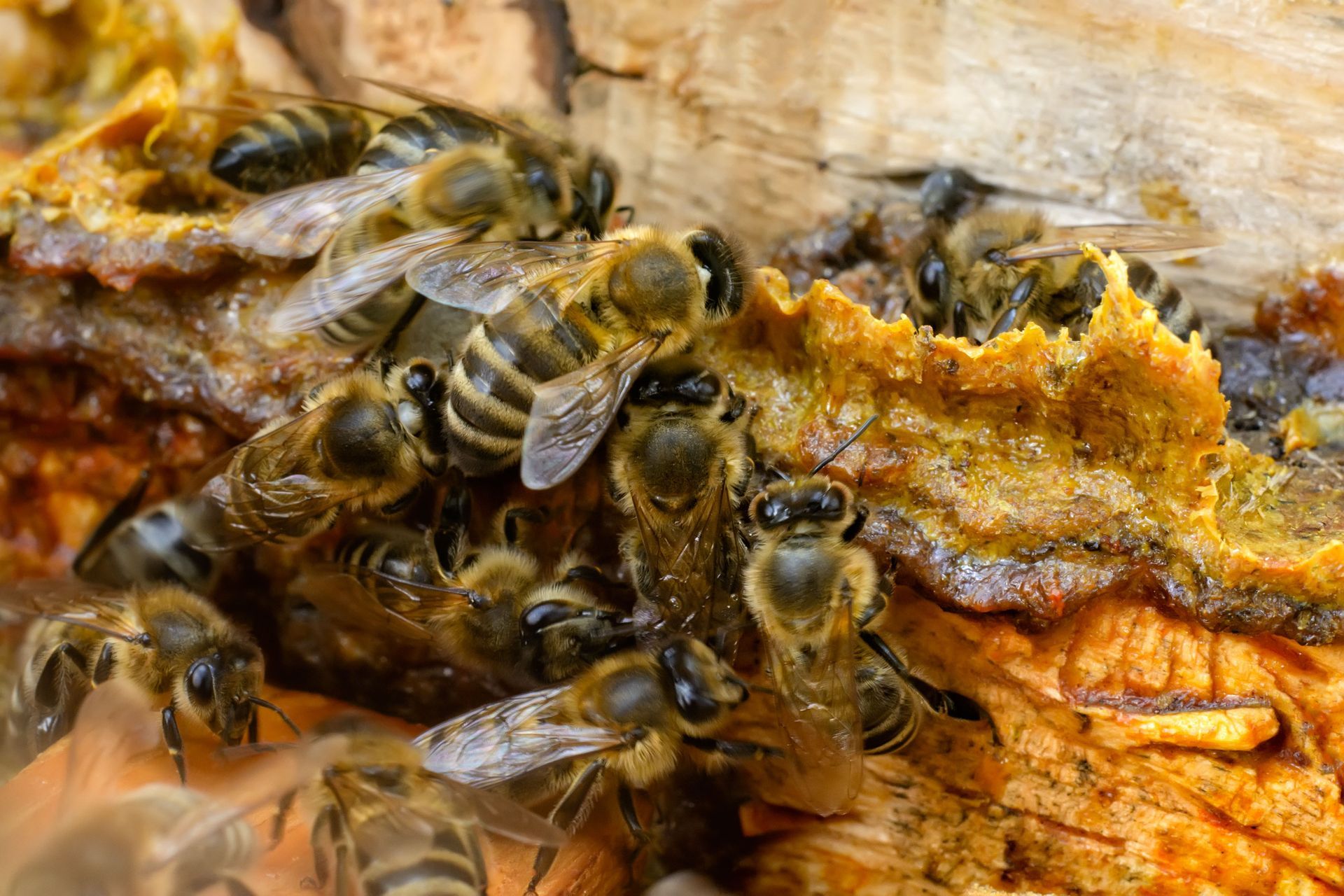
Handling bee infestations professionally and safely is crucial due to the ecological and agricultural importance of bees. Bees are integral to ecosystems as pollinators, affecting both biodiversity and food production. Professional pest control services are vital as they possess the expertise and tools necessary to manage the complexities of bee removal. Incorrect handling can lead to harm both to the bee population and human inhabitants, emphasizing the necessity of proper procedures. The global pest control service market size is estimated to reach USD 34.3 billion by 2030, according to Grand View Research, reflecting the growing recognition of the importance of such services.
Bee Behavior and Ecology
Species Identification
Properly identifying bee species is crucial for effective pest management strategies. Different species exhibit varied behaviors, nesting tendencies, and levels of aggression, necessitating tailored approaches. For instance, honey bees are typically docile and crucial pollinators, whereas wasps can be more aggressive and less ecologically beneficial. By distinguishing between these species, pest controllers can apply appropriate measures that respect ecological balances. Identification also aids in compliance with local regulations regarding the handling of protected species like bees.
Life Cycle
Understanding the life cycle of bees helps in determining the optimal time for intervention. Bees go through stages from egg, larva, pupa, to adult, with each phase presenting different opportunities and challenges for control. For example, interventions during the swarming phase, when colonies are relocating, can be less invasive. Professionals examine these cycles to predict behaviors and plan effective control methods. Timing is crucial to minimize harm and ensure colony health, aligning interventions with natural life cycle phases.
Role in the Ecosystem
Bees play an indispensable role in ecosystems as pollinators, supporting the growth of a vast array of plants. This ecological service helps in the reproduction of flowering plants, contributing to biodiversity and food production. Consequently, any pest control strategy must balance bee removal with the preservation of their ecological functions. Awareness of this role informs ethical and sustainable practices in pest management. Protecting bees aligns with broader environmental goals and supports agricultural productivity.
Nesting Habits
Different bee species exhibit specific nesting habits that professionals must understand for effective management. Honey bees, for instance, prefer cavities, while ground-nesting bees may choose the soil. Recognizing these habits assists in locating colonies and anticipating their movements. Professionals use this information to devise non-invasive removal strategies and prevent future infestations. Insight into nesting preferences is crucial for creating long-term deterrent measures and maintaining harmony with local ecosystems.
Communication and Interaction
Bees are highly social creatures known for their advanced communication systems. They use pheromones and dances, such as the waggle dance, to convey information about resources and threats. Understanding these interactions is crucial in developing strategies that minimize disturbances to colonies. Professionals can leverage this behavior to control bee movement, facilitating safer removal processes. Respecting and utilizing bee communication aids in preserving their populations while ensuring human safety.
Assessment and Initial Inspection
Site Inspection
The first step in bee management is a thorough site inspection to assess the extent of the infestation. This involves identifying bee species present and determining the size and location of their nests. Professionals look for signs of bee activity, such as entrance holes, noise, and swarming behavior. Conducting a comprehensive inspection is vital in formulating a targeted response plan. Proper assessment facilitates safety and precision in subsequent removal actions.
Hazard Evaluation
Evaluating potential hazards is essential to protect both humans and structures during bee removal. Bees can pose risks through their stings, which may be life-threatening to allergic individuals. Professionals assess environmental and structural risks, such as the proximity of bee colonies to human activity areas. This evaluation helps in deploying appropriate safety measures and informing clients about potential risks. Ensuring safety is a top priority that aligns with ethical pest management practices.
Customer Consultation
Consulting with clients is an integral part of the inspection process, addressing their concerns and explaining the removal strategy. Communication builds trust and sets realistic expectations for the duration and nature of removal efforts. Professionals provide information on bee behavior, potential hazards, and protective measures for human safety. Clients are educated on the importance of bees, ensuring they understand the balance sought in pest control measures. Customer consultation enhances satisfaction and mitigates concerns about the pest management process.
Use of Technology in Assessment
Advanced technology plays a pivotal role in modern pest control assessments. Thermal cameras, for instance, can effectively locate hidden nests within walls and structures. Moreover, digital tools assist in mapping bee activity and predicting future movements. These innovations ensure more accurate assessments, facilitating precise and efficient interventions. Technology enhances the capacity of professionals to manage infestations with minimal disruptions to ecosystems and properties.
Documentation and Reporting
Documenting findings is critical for creating transparent and accountable pest management protocols. Detailed reports are provided to clients, outlining inspection results and recommended courses of action. Maintaining records ensures compliance with legal and ethical standards and allows for continuous improvement in pest control strategies. Documentation fosters communication between pest controllers, clients, and regulatory bodies. Detailed reporting supports informed decision-making and fosters trust in pest control services.
Safe and Ethical Bee Removal Techniques
Non-lethal Methods
Non-lethal bee removal methods are prioritized to protect these vital pollinators. Techniques such as hive relocation and exclusion minimize harm while effectively addressing infestations. Professional pest controllers implement these methods to align with ecological and ethical standards. By avoiding lethal measures, services can reduce client concerns and emphasize conservation. Innovative non-lethal techniques ensure the preservation of bee populations and their ecological roles.
Use of Protective Gear
Furthermore, protective gear is indispensable for ensuring the safety of pest control professionals during removal operations. Personal Protective Equipment (PPE) protects workers from bee stings and potential allergic reactions. Wearing PPE also prevents harm to bees, as it allows professionals to cautiously handle nests and hives. Effective use of protective clothing enhances the safety and efficiency of removal operations. The gear underscores the importance professionals place on safety during bee management tasks.
Integrated Pest Management (IPM)
Integrated Pest Management (IPM) is a holistic approach that combines ecological and human needs in pest control. By employing multiple strategies, IPM minimizes pest impact while maintaining ecosystem stability. Techniques include habitat modification, exclusion measures, and biological controls to deter infestations naturally. IPM principles guide professionals in striking a balance between effective removal and ecological conservation. This comprehensive strategy is essential for promoting sustainable pest management solutions.
Utilizing Smoke
Finally, smoke is a traditional yet effective tool used by professionals to pacify bees during removal operations. By disrupting bee communication through smoke, bees become less defensive, allowing for safer hive handling. This method requires skillful application to avoid harm to the bees and ensure worker safety. Professionals leverage smoke as part of an ethical approach to bee hives, reducing the need for more intrusive measures. Smoke use highlights a blend of traditional knowledge with modern ecological practices.
Professional services for bee management are crucial, blending safety, effectiveness, and ecological preservation. Key strategies discussed emphasize the importance of utilizing informed, ethical, and innovative approaches to pest control. These strategies reflect a commitment to responsible practice, aligning with broader environmental goals and addressing community needs. For more information about our services, call us at Buffalo Lawn & Pest Services today.